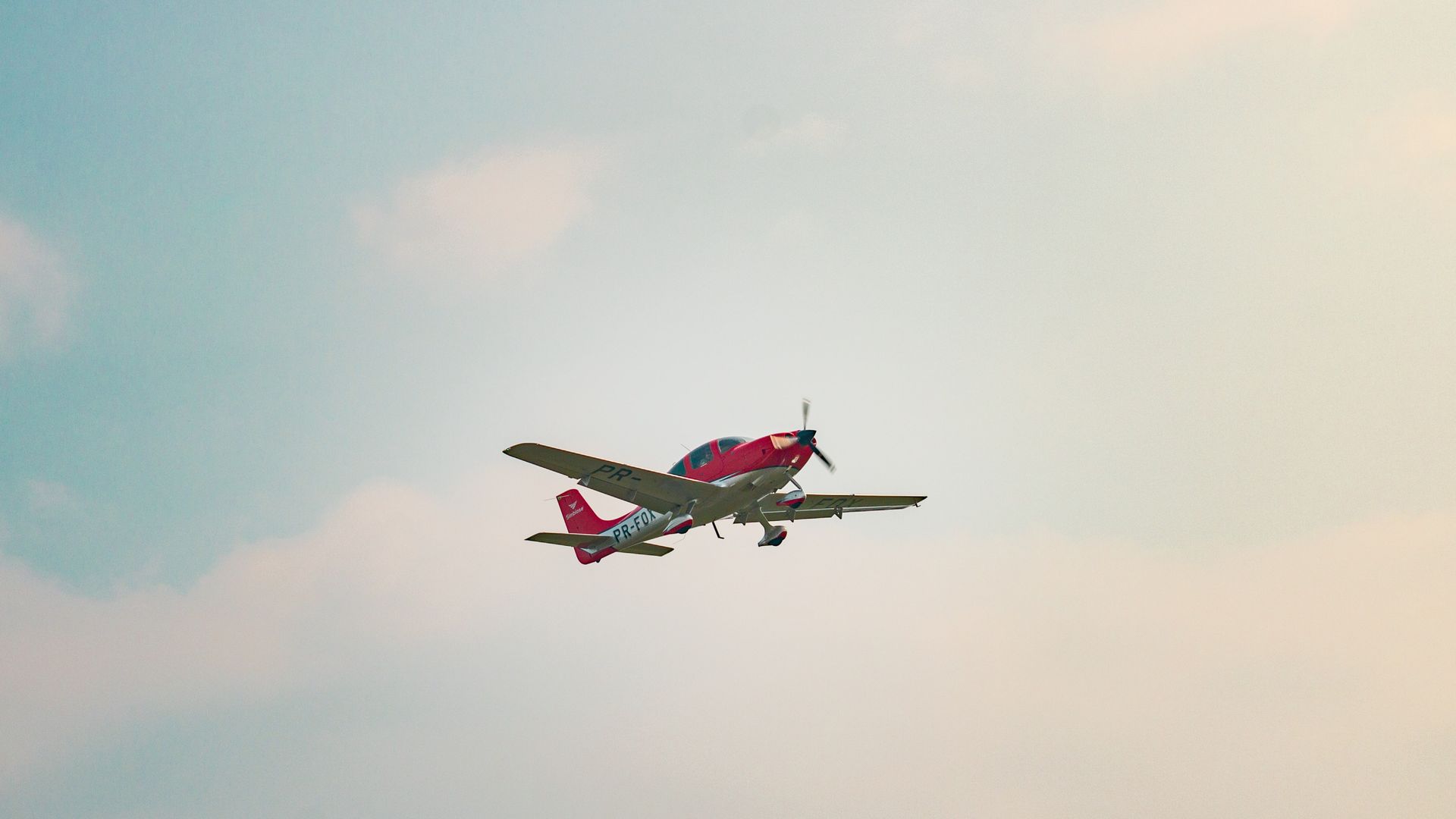
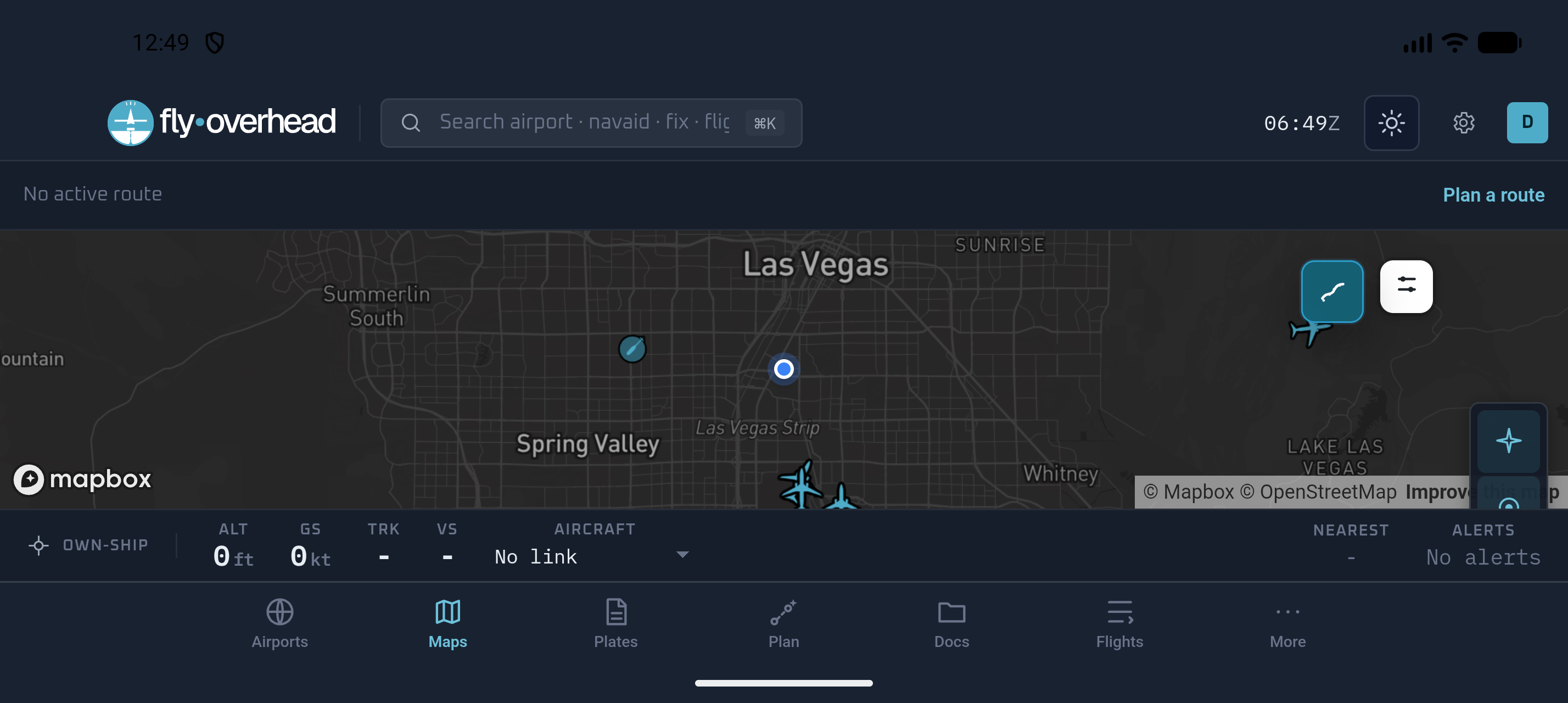
It has never been easier to make an app that looks like an electronic flight bag. A few prompts can produce a map, a route form, a weather card, and a remarkably convincing cockpit UI. That is exciting for aviation software. It is also why pilots should ask a more important question: what happens after the demo works?
We welcome the new energy. More people building for general aviation means more experiments, more pressure on incumbents, and more chances to solve problems pilots have accepted for too long. But an EFB is not a mockup. It is part of a pilot's decision-making environment, often used when time, attention, and connectivity are in short supply.
Fly Overhead uses modern AI tools where they help us move faster. We are not opposed to vibe coding. We are opposed to confusing a fast first draft with a finished aviation product. The difference matters most when the user is a student trying to understand a cross-country, a CFI preparing a lesson, or a pilot looking for the next useful fact while workload is climbing.
What makes an EFB app reliable?
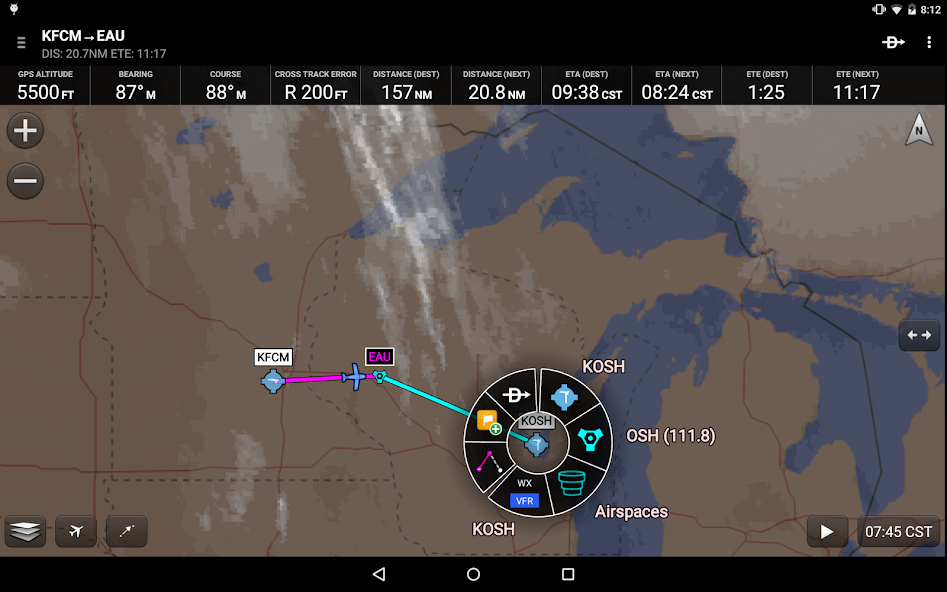
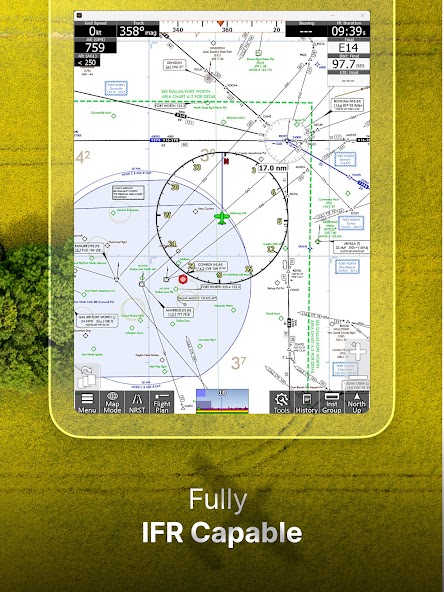
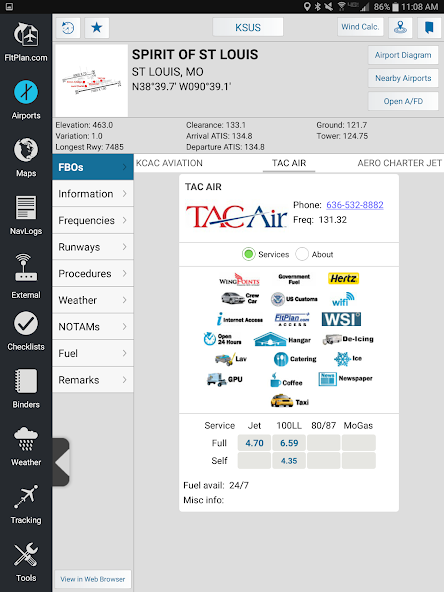
The visible layer of an EFB is familiar: a moving map, weather, airport pages, route planning, documents, and a logbook. The hard part lives underneath. Data has to be current, attributable, and connected to the right place in the workflow. A chart must remain readable. A route must behave consistently across planning and flight. Offline information must be intentionally available before a pilot leaves the ramp. A delay, a stale value, or an unclear alert must fail in a way a human can recognize and recover from.
None of that makes an EFB certified avionics or a replacement for primary navigation. It does mean the product should be engineered with the same respect for operational context: clear boundaries, useful defaults, traceable inputs, and no pretense that a generated answer is automatically authoritative.
The best EFB apps are built with pilots, not just for pilots
The best aviation products are built in the conversation between the people writing the software and the people using it to fly. Engineers bring systems thinking: how data moves, what happens when a network drops, how an interface performs under load, and how to keep changes from breaking the rest of the product. Pilots bring the reality check: what is actually hard in a noisy cockpit, what gets missed during a rushed preflight, and what information is helpful versus merely more information.
At Fly Overhead, that conversation shapes the product from the first feature decision. We do not start with “what can we put on a map?” We start with “what is the pilot trying to decide next?” Sometimes the right answer is a new capability. Often it is better ordering, fewer taps, a more explicit caveat, or carrying context from one part of the flight into the next.
That is also how we evaluate the broader EFB market. Our ForeFlight, Garmin Pilot, and Fly Overhead comparison looks at workflow and trade-offs, while our guide to the best Android EFB apps helps pilots choose a tool for the devices they actually fly with.
An EFB for student pilots, CFIs, and working pilots
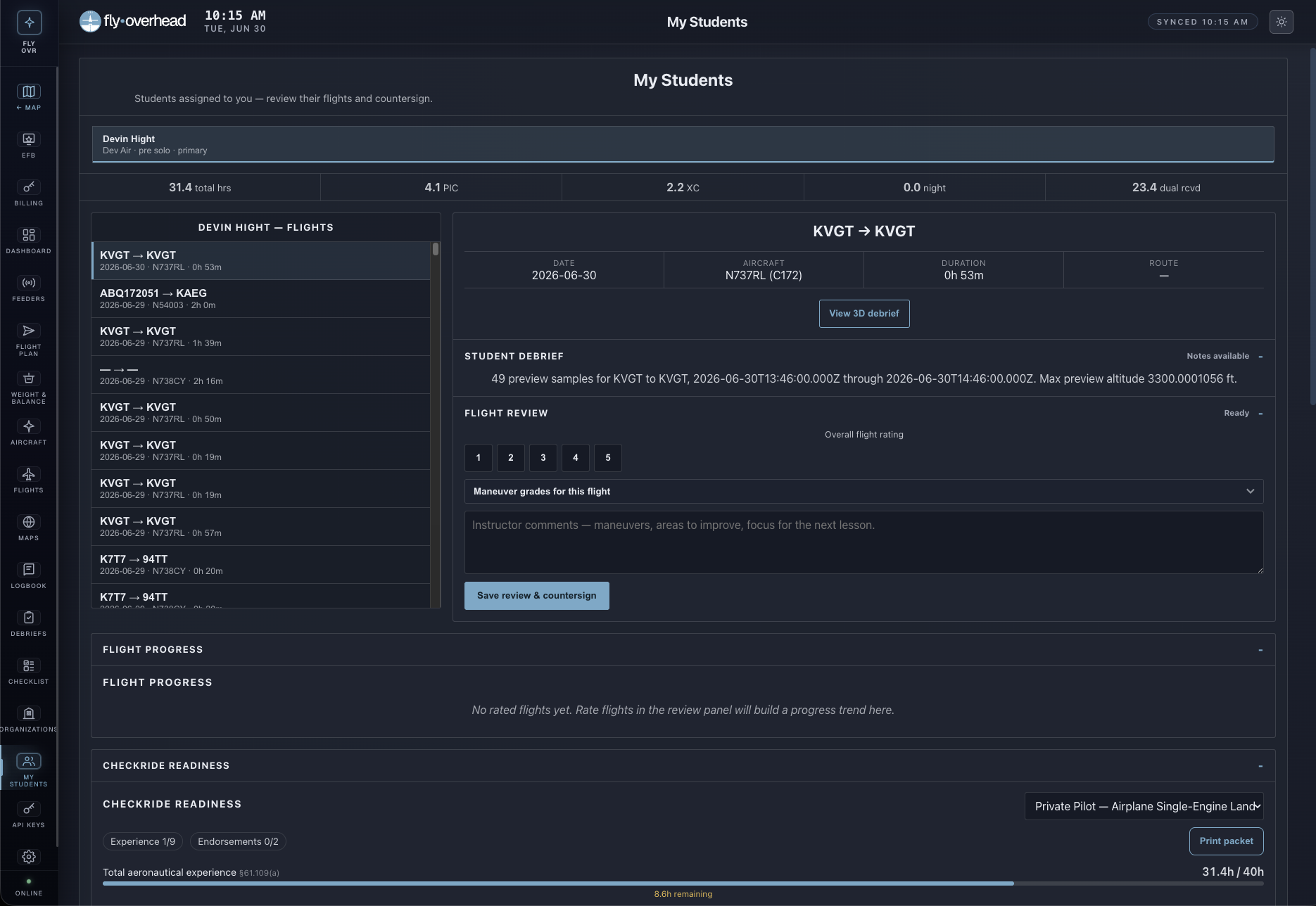
General aviation is not one user with one flight profile. A student pilot needs to turn a weather briefing into understanding, rather than a wall of acronyms. A CFI needs a clean way to see progress, discuss a flight, and keep instruction connected to real experience. A certificated pilot needs a route, aircraft, briefing, charts, airport context, and postflight record to stay coherent instead of becoming six disconnected apps and browser tabs.
That is why Fly Overhead treats the flight as a continuous workflow. Plan a route, check the weather and airspace picture, carry the useful context into the cockpit, then turn the outcome into a logbook entry and debrief. Our CFI and student tools are not an afterthought attached to a moving map; they exist because learning to fly is a series of flights, decisions, and conversations.
AI has a place. It is not the pilot.
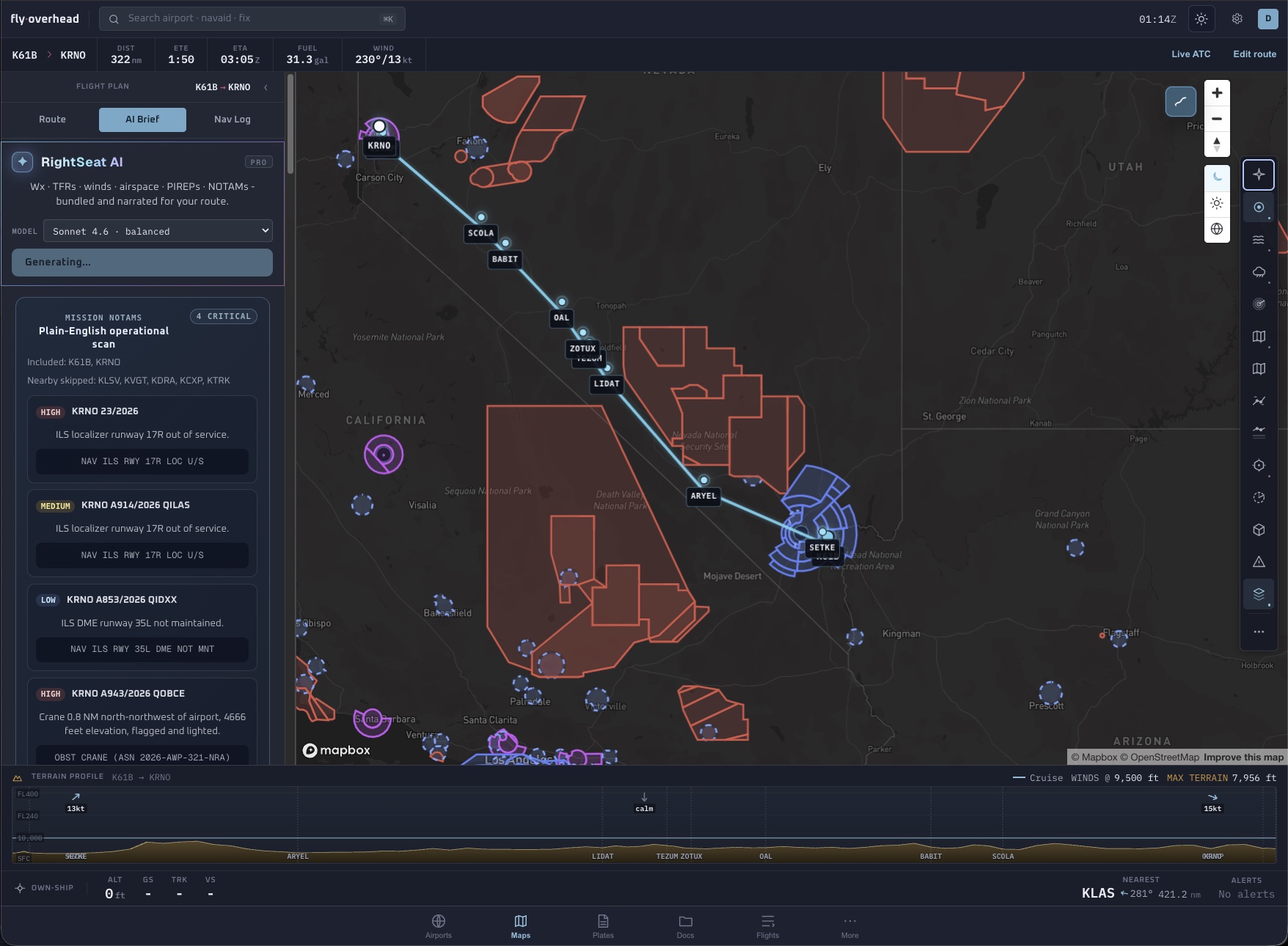
AI can make aviation software better when it reduces busywork and helps a pilot find the right question: synthesizing a preflight brief, explaining a dense weather picture, or turning a voice debrief into a logbook draft. But it needs to be grounded in real data, designed for verification, and explicit about uncertainty. It should help the pilot inspect the work, not quietly substitute for it.
That is the philosophy behind RightSeat: a thinking partner that organizes flight context, with the pilot in command still responsible for every decision. Our EFB is advisory only. Pilots must use current official information and appropriate approved equipment for primary navigation.
What we are building
Fly Overhead is built by engineers and pilots who care about the unglamorous parts as much as the polished ones: reliable data flows, readable charts, resilient offline behavior, thoughtful alerts, and product decisions informed by students and CFIs. We will use every responsible tool available to build faster. We will also keep doing the slower work of testing, questioning assumptions, and listening to the people in the left and right seats.
The arrival of more EFBs is good for pilots. Our commitment is simple: Fly Overhead will not be just an EFB that was vibe coded into existence. It is an engineering project shaped by the real pain points of flying, training, and teaching - and it will keep earning its place in that workflow with every release.
Frequently asked questions
What is an electronic flight bag (EFB)?
An electronic flight bag, or EFB, is an aviation app that organizes information used before, during, and after flight. Depending on the product, it can include charts, weather, route planning, airport information, documents, and logbook tools. An EFB is advisory unless it is approved for a specific operational use.
Can AI build a reliable EFB app?
AI can speed up design and software development, but a reliable EFB still requires aviation data engineering, offline behavior, clear product boundaries, testing, and feedback from the pilots and instructors who use it. AI-generated output should be grounded in current data and easy for a pilot to verify.
What should student pilots and CFIs look for in an EFB?
Student pilots and CFIs should look for an EFB that turns planning information into understandable context, supports a repeatable preflight-to-debrief workflow, and keeps student progress, flight records, and instructor feedback connected. The best choice also fits the devices and charts the pilot will use in training.